The Cultural Journey of Moroccan Food and Authentic Couscous
Wiki Article
The Cultural Journey of Moroccan Food and Authentic Couscous
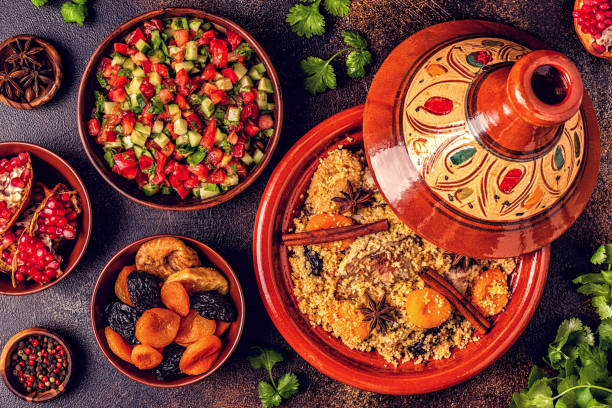
Across the globe, Moroccan cuisine is known for its balance of spices, textures, and traditional cooking methods.
At the heart of this culinary identity lies
Moroccan food,
a rich tradition shaped by history, geography, and trade routes that connected Africa, Europe, and the Middle East.
Influenced by Berber, Arab, and Mediterranean cultures, Moroccan cooking offers an unforgettable sensory experience.
One of the strongest influences comes from
Middle eastern cuisine,
which introduced techniques, spices, and staple ingredients that remain essential today.
The Role of Semolina in Traditional Moroccan Cooking
Few ingredients are as fundamental to Moroccan cooking as semolina.
Derived from durum wheat,
Semolina
is prized for its texture, versatility, and nutritional value.
From daily meals to festive celebrations, semolina is a trusted ingredient.
It is commonly used in breads, pastries, and especially in couscous preparation, making it an irreplaceable part of Moroccan gastronomy.
Couscous as a Symbol of Tradition and Togetherness
No discussion of Moroccan cuisine is complete without mentioning couscous.
Couscous
is traditionally prepared by steaming semolina grains until light and fluffy, then pairing them with vegetables, meat, or legumes.
Couscous is more than a meal—it is a cultural ritual.
This dish reflects the values of sharing, patience, and craftsmanship that define Moroccan food culture.
Understanding Authentic Moroccan Couscous
Making traditional couscous is considered an art in Morocco.
Moroccan couscous
differs from instant varieties by using a multi-step steaming process that enhances flavor and texture.
Spices like cumin, ginger, and saffron elevate the dish.
The result is a balanced meal that reflects the essence of Moroccan culinary philosophy.
Moroccan Food and Middle Eastern Culinary Influence
Moroccan recipes reveal strong connections to Middle Eastern traditions.
Middle eastern cuisine
introduced spices, cooking methods, and ingredient combinations that became deeply integrated into Moroccan food.
Dishes often feature similar spice blends and slow-cooking techniques.
Moroccan food stands out by adapting these influences into something uniquely local.
Why Moroccan Cuisine Is Loved Worldwide
Chefs around the world are inspired by Moroccan flavors.
The popularity of
Moroccan food
continues to grow due to its versatility, health benefits, and cultural richness.
Semolina-based dishes appear in both traditional and modern recipes.
Yet, the essence of Moroccan cuisine remains rooted in tradition and authenticity.
The Timeless Beauty of Moroccan Food
Every dish reflects generations of knowledge and craftsmanship.
From semolina-based staples to iconic couscous dishes, Moroccan cooking continues to inspire food lovers around the world.
By understanding the origins and techniques behind these dishes, we gain deeper appreciation.
Through couscous, semolina, and Middle Eastern influences, Moroccan food remains a timeless culinary treasure.
Report this wiki page